
TMJ/TMD Therapy in Boiling Springs & Inman, SC
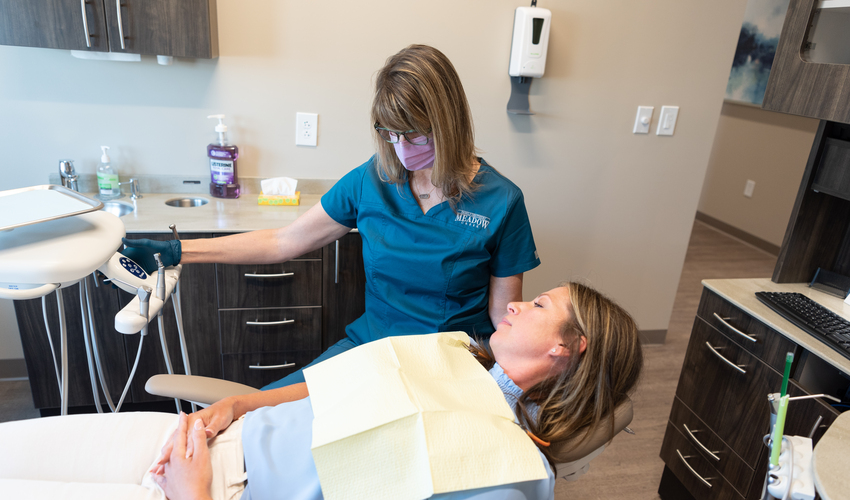
Find Lasting Relief from Jaw Pain
Jaw pain isn't something you should have to live with. If you experience clicking when you chew, headaches that won't go away, or pain every time you yawn or speak, you may be suffering from a temporomandibular joint disorder (TMD).
At Meadow Creek Family Dentistry, we provide personalized TMJ therapy designed to reduce pain, improve jaw function, and help you return to everyday life comfortably. Our team will identify the source of your symptoms and recommend conservative, effective treatment options that fit your needs.
Whether your symptoms are caused by teeth grinding, jaw clenching, stress, injury, or bite alignment issues, we're here to help.
Schedule an appointment today to learn how TMJ therapy can improve your comfort and quality of life.
What Is TMJ Disorder (TMD)?
The temporomandibular joints (TMJs) connect your lower jaw to your skull and allow you to speak, eat, smile, yawn, and chew. When these joints or the surrounding muscles become irritated or damaged, they can lead to temporomandibular disorders (TMD), a condition that causes pain, stiffness, and difficulty moving the jaw.
Many people casually refer to the condition as "TMJ," although TMJ actually refers to the joint itself while TMD refers to the disorder affecting it.
Common Symptoms of TMJ Disorder
TMD symptoms vary from person to person and may come and go over time. Common signs include:
- Jaw pain or tenderness
- Clicking or popping sounds
- Difficulty opening or closing your mouth
- Jaw locking
- Frequent headaches or migraines
- Ear pain or pressure
- Facial pain
- Neck or shoulder pain
- Pain while chewing
- Teeth grinding (bruxism)
- Worn or cracked teeth from clenching
If you're experiencing several of these symptoms, a dental evaluation can determine whether TMJ dysfunction may be contributing to your discomfort.
What Causes TMJ Disorders?
TMJ disorders rarely have a single cause. Instead, they're often the result of several contributing factors, including:
- Chronic teeth grinding or clenching
- Stress-related muscle tension
- Bite misalignment
- Arthritis affecting the joint
- Jaw injury or trauma
- Poor posture
- Sleep disorders
- Overuse of jaw muscles
Because every patient is different, we focus on identifying the underlying cause before recommending treatment.
How We Treat TMJ Pain
Custom Night Guards
A custom oral appliance cushions your teeth while you sleep, reducing the effects of grinding and clenching that place excessive pressure on the jaw joints.
Bite Evaluation
If your bite contributes to uneven pressure on your jaw, we'll evaluate your occlusion and determine whether adjustments or restorative treatment may improve function.
Jaw Exercises
Gentle stretching and strengthening exercises can improve mobility and reduce muscle tension surrounding the TMJ.
Lifestyle Recommendations
Simple changes, such as avoiding chewy foods during flare-ups, improving posture, stress reduction techniques, and applying heat or ice, can significantly improve symptoms.
Our treatment plans are always conservative first, focusing on long-term relief rather than temporary symptom management.
Questions About TMJ
-
What is the difference between TMJ and TMD?
TMJ refers to the temporomandibular joint itself. TMD stands for temporomandibular disorder, which affects the joint, surrounding muscles, or both.
-
Does TMJ go away on its own?
Some patients only experience TMJ-related issues when they are undergoing a stressful time in their lives, in which case their TMJ problems will ease after a while. However, there are many patients who experience TMJ symptoms often enough that it is worth seeking treatment. If a patient does not seek treatment for frequent jaw clenching, they may end up causing irreversible damage to their teeth. In serious cases, TMJ can cause painful jaw problems like lockjaw and jaw dislocation. If you experience TMJ symptoms on a semi-regular basis, we recommend seeking treatment.
-
How can a dentist help relieve my TMJ symptoms?
If you know your TMJ is stress-related, we recommend practicing relaxation techniques and trying to manage your stress levels. There are also physical therapy exercises you can use to stretch your facial muscles. We can help you with these methods, and our team can also create a custom oral appliance that will help prevent pressure from being placed on your Temporomandibular Joint. These comfortable mouth guards prevent the jaw from clenching, which works to drastically reduce many TMJ symptoms. Schedule a consultation with our team today.
-
Will a night guard help TMJ pain?
For many patients, yes. A professionally made custom night guard helps reduce grinding and clenching, protecting both your teeth and jaw joints while allowing muscles to relax.
-
How long does TMJ treatment take?
Some patients experience improvement within a few weeks, while others require several months depending on the severity and underlying cause of their condition.
-
What are the signs of TMJ?
One of the main indications that a patient may be suffering from TMD is persistent pain in their face, ear, jaw, or mouth. Other signs include:
- Waking up with a sore or stiff jaw
- Jaw clicking and popping
- Frequent headaches
- Difficulty chewing or opening mouth
-
What causes jaw clicking?
Jaw clicking is often caused by the movement of the cartilage disc inside the joint. While occasional clicking without pain isn't always concerning, clicking accompanied by pain or limited movement should be examined.
-
Does teeth grinding cause TMJ?
Yes. Chronic grinding and clenching place significant pressure on the jaw joints and surrounding muscles, making bruxism one of the most common contributors to TMJ disorders.
-
Can stress make TMJ worse?
Absolutely. Stress often leads to unconscious jaw clenching and muscle tension, which can increase TMJ symptoms and cause flare-ups.
-
Can TMJ cause headaches?
Yes. Many TMJ patients experience tension headaches or facial pain because the jaw muscles become overworked and inflamed.
-
Can TMJ cause ear pain?
Yes. Since the jaw joint sits close to the ear, TMJ disorders commonly cause earaches, fullness, ringing, or pressure without an actual ear infection.
-
Is TMJ treatment painful?
Most TMJ treatments are conservative and non-invasive. Custom oral appliances, exercises, and lifestyle modifications are designed to reduce discomfort rather than create it.

When Should You See a Dentist for TMJ Pain?
You should schedule an evaluation if:
- Jaw pain lasts longer than a few days
- Your jaw frequently clicks or locks
- Headaches are becoming more frequent
- It hurts to chew
- You wake up with sore jaw muscles
- You notice worn or cracked teeth from grinding
Early treatment often prevents symptoms from worsening and may help you avoid more extensive treatment later.
📞 Schedule Your Appointment Today: 864-472-9019

A higher standard of excellence changing the way people think about visiting the dentist.

Contact Information
Office Hours
| Monday | 7AM-5PM |
| Tuesday | 8AM-5PM |
| Wednesday | 8AM-5PM |
| Thursday | 7AM-5PM |
| Friday | CLOSED |
© 2026 Meadow Creek Family Dentistry. All Rights Reserved|
Privacy & Legal |
Site by ALINE, A Marketing Company